
If you are asking when did Death Note come out, the manga first began serialization in Japan on December 1, 2003. The first Japanese collected manga volume was released on April 2, 2004, and the Death Note anime first aired in Japan on October 3, 2006.
This article explains the release timeline for the Death Note manga, collected volumes, and anime adaptation in a simple way. It also covers who created Death Note and why the series became one of the most famous psychological thriller manga and anime titles of the 2000s.
For readers exploring classic psychological manga with smart rivals, moral conflict, and suspense-driven storytelling, HariManga can also be a useful place to discover related manga titles.
When Did the Death Note Manga Come Out?
The Death Note manga first came out through serialization in Weekly Shonen Jump on December 1, 2003. It was written by Tsugumi Ohba and illustrated by Takeshi Obata.
The first collected Japanese volume of Death Note was released by Shueisha on April 2, 2004. This is the date many manga collectors use when talking about the first physical volume release.
So, the answer to when did Death Note come out depends on what format you mean:
- Manga serialization: December 1, 2003
- First Japanese manga volume: April 2, 2004
- Main manga run: 2003 to 2006
- Total main manga volumes: 12 volumes
- Total main manga chapters: 108 chapters
For readers who follow character timeline guides like how old is kakashi in boruto, Death Note is much easier to place historically because the main manga is already complete and has a clear release window.
The manga introduced Light Yagami, a brilliant student who finds a supernatural notebook that can kill anyone whose name is written inside it. From that premise, Death Note builds a tense psychological battle between Light and the mysterious detective L.
When Did the Death Note Anime Come Out?
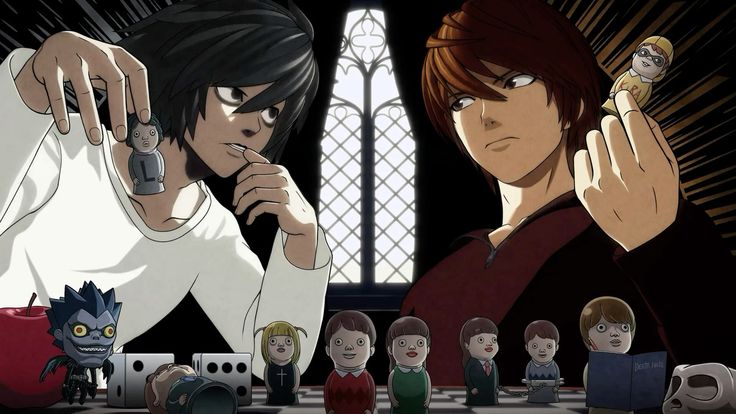
The Death Note anime first aired in Japan on October 3, 2006. It was produced by Madhouse and broadcast by Nippon TV.
The anime ran for 37 episodes and continued into 2007. For many US fans, the anime became the first version of Death Note they experienced, even though the manga came out first.
A simple anime timeline looks like this:
- Anime premiere in Japan: October 3, 2006
- Original broadcast period: October 2006 to June 2007
- Total episodes: 37
- Animation studio: Madhouse
- Based on: The Death Note manga by Tsugumi Ohba and Takeshi Obata
The anime helped Death Note reach a much wider global audience. Its intense music, sharp direction, dramatic voice acting, and fast-paced mind games made it one of the most recognizable anime thrillers of its era.
Who Created Death Note?
Death Note was created by writer Tsugumi Ohba and artist Takeshi Obata. Ohba wrote the story, while Obata illustrated the manga.
This creative pairing is a major reason Death Note became so memorable. The story depends heavily on rules, strategy, deception, and psychological tension. Obata’s detailed art gives the characters, expressions, and dramatic scenes a sharp visual style.
The main idea is simple but powerful: what would happen if a person gained the power to kill by writing names in a notebook? Death Note uses that idea to explore justice, ego, morality, fear, and control.
The main setup includes:
- Light Yagami finding the Death Note
- Ryuk, a Shinigami, observing Light’s actions
- L investigating the mysterious Kira killings
- A battle of intelligence between Light and L
- A moral question about justice and power
Because the story is built around ideas instead of only physical battles, Death Note stands out from many other shonen manga of its time.
Why Death Note Is Still Popular
Death Note is still popular because its core premise is easy to understand and hard to forget. A notebook that can kill anyone sounds simple, but the story turns that idea into a complex psychological conflict.
Light Yagami is not a typical hero. He begins as a brilliant student with strong beliefs about justice, but his use of the Death Note quickly raises uncomfortable questions about power and morality.
L is equally important. His strange behavior, sharp mind, and mysterious identity make him one of manga’s most iconic detectives. The rivalry between Light and L is the reason many fans still recommend Death Note to new readers.
Death Note remains popular because of:
- Its clear and memorable premise
- The psychological battle between Light and L
- Its moral conflict about justice and punishment
- Its short, complete manga length compared with longer shonen series
- The strong anime adaptation that introduced many fans to the story
Another reason Death Note holds up is that it is easy to recommend. The manga is complete in 12 volumes, and the anime is only 37 episodes. That makes it much easier for new fans to start compared with long-running series that have hundreds of chapters or episodes.
Manga vs Anime Release Timeline
When people ask when did Death Note come out, they often mix together the manga and anime dates. The manga came first, then the anime adapted the story later.
The manga began in 2003, while the anime began in 2006. This means the anime started about three years after the manga serialization began.
Here is the clean timeline:
- December 1, 2003: Death Note manga begins serialization.
- April 2, 2004: First Japanese collected volume is released.
- May 2006: Main manga serialization ends.
- October 3, 2006: Death Note anime premieres in Japan.
- June 2007: Anime broadcast finishes in Japan.
This timeline also explains why the anime arrived after the manga had already become popular. By the time the anime premiered, Death Note already had a strong reader base and a complete or nearly complete manga story for the adaptation to follow.
Is Death Note Still Worth Reading Today?
Yes, Death Note is still worth reading today, especially for fans who like psychological thrillers, crime stories, supernatural rules, and morally complicated protagonists.
The manga moves quickly and does not require a huge time commitment. Since the main story is complete in 12 volumes, readers can experience the full plot without waiting for new chapters.
It is also a good recommendation for readers who are newer to manga because the hook is immediate. Light finds the Death Note, tests its power, and quickly becomes involved in a battle that affects the entire world.
Death Note may be a good fit if you enjoy:
- Psychological suspense
- Genius rivalries
- Morally gray characters
- Detective-style mind games
- Shorter completed manga series
It may not be the best fit if you want a light comedy, action-heavy battle manga, or a story with a traditional heroic lead. Death Note is darker, more strategic, and more focused on moral tension.
FAQs
When did the Death Note anime come out?
The Death Note anime first aired in Japan on October 3, 2006. It ran for 37 episodes and finished in 2007.
How many Death Note manga volumes are there?
The main Death Note manga has 12 volumes and 108 chapters. There are also related guidebooks, short stories, and later special material, but the core manga is 12 volumes.
Why is Death Note considered a classic?
Death Note is considered a classic because of its unforgettable premise, the rivalry between Light and L, its moral conflict, and its influence as a psychological thriller manga and anime.
Final Thoughts
The clearest answer to when did Death Note come out is that the manga began serialization on December 1, 2003, the first Japanese volume was released on April 2, 2004, and the anime premiered in Japan on October 3, 2006.
Death Note became a major classic because it combined a simple supernatural rule with a tense battle of intelligence. Instead of relying only on action, it built suspense through strategy, deception, and moral conflict.
For new readers and viewers, Death Note is still one of the easiest classic manga and anime titles to start. It is complete, focused, and memorable from its first chapter to its final confrontation.

Emma is a content editor at HariManga who focuses on reviewing and refining Manga, Manhwa, and Manhua content. Her work emphasizes accuracy, fresh updates, and helping readers quickly spot trending topics in the comic community.