
The short answer to do people actually enjoy demon slayer story is yes: many manga readers genuinely enjoy it, especially for its emotional clarity, fast pacing, and memorable character arcs. At the same time, not everyone loves it, because the story is straightforward and does not try to be a complex political epic or a deeply layered mystery.
This article explains why the Demon Slayer: Kimetsu no Yaiba manga connects with so many readers, what its story is really about, and why some fans still criticize it despite its popularity. For readers discovering the series through manga discussions on HariManga, the key is to judge it as a shonen battle manga built around grief, family, duty, and compassion.
Do People Actually Enjoy Demon Slayer Story?
Yes, people do actually enjoy Demon Slayer story, and its popularity is not only the result of hype. The manga by Koyoharu Gotouge became widely discussed because it offers a clear emotional hook: a kind older brother tries to save his demon-turned sister while fighting creatures connected to personal tragedy, fear, and loss.
When readers ask do people actually enjoy demon slayer story, the question often comes from seeing two very different reactions online. Some fans call it moving, cleanly written, and satisfying. Others argue that it is simple, predictable, or carried by the anime adaptation’s production values. Both reactions can exist at the same time, but the manga itself has qualities that many readers sincerely value.
The main reason the story works for so many people is that it does not overcomplicate its emotional center. Tanjiro Kamado is not trying to conquer a kingdom or become the strongest for pride. He wants to protect Nezuko, understand the demons he fights, and move forward after his family is destroyed. That direct motivation gives the manga a strong emotional spine from the beginning.
What Is Demon Slayer About in the Manga?
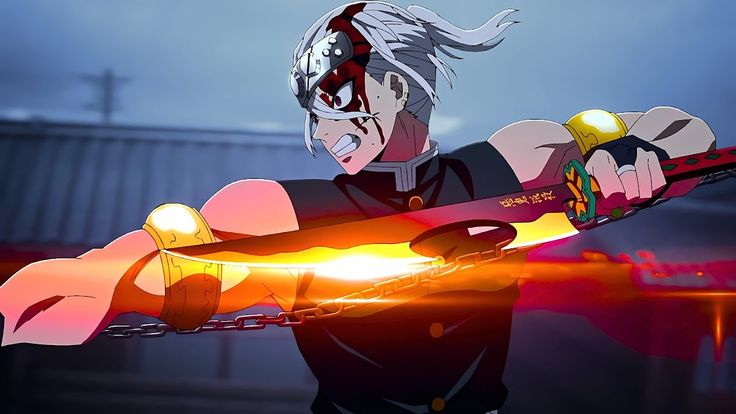
Demon Slayer: Kimetsu no Yaiba follows Tanjiro Kamado, a charcoal seller whose family is slaughtered by demons. His younger sister Nezuko survives, but she is transformed into a demon. Tanjiro joins the Demon Slayer Corps to find a way to turn her back into a human and to confront the source of the tragedy that ruined his life.
For newer readers asking what is demon slayer about, the manga is best understood as a journey through grief, training, battles, and moral conflict. It is a battle shonen, but it repeatedly pauses to show that demons were once humans with pain, weakness, regret, or obsession. This does not excuse their violence, but it gives many fights a tragic aftertaste.
That balance is one reason do people actually enjoy demon slayer story remains a common question. Readers who prefer intricate worldbuilding may find it too direct, while readers who enjoy emotional momentum often find it powerful. The manga is not trying to be the most complicated story in shonen; it is trying to be an accessible, heartfelt one.
Why the Story Appeals to So Many Manga Readers
It Has a Simple but Strong Emotional Core
The heart of Demon Slayer is the bond between Tanjiro and Nezuko. Their relationship is not treated as a background detail; it shapes Tanjiro’s decisions, his patience, and his refusal to see every demon as only a monster. Nezuko’s existence also challenges the rules of the world, because she is a demon who still shows signs of love and restraint.
This kind of emotional clarity makes the manga easy to follow without making it meaningless. Readers do not need a long explanation to understand Tanjiro’s pain or purpose. The stakes are personal from the first chapter, and that helps the story maintain urgency even when new allies, Hashira, and demons are introduced.
The Villains Often Have Tragic Backstories
One major reason people do actually enjoy Demon Slayer story is the way many demons are written. Some are cruel and terrifying, but the manga often reveals the human sorrow behind their transformation. These flashbacks can be brief, yet they add emotional weight to battles that might otherwise feel like simple monster fights.
This approach is not universally loved. Some readers feel the repeated tragic backstories become predictable. Others appreciate that the manga does not let violence feel empty. Even when Tanjiro defeats a demon, he may still recognize the sadness of the human life that came before. That compassion helps define him as a protagonist.
The Pacing Is Fast and Easy to Read
Another reason the manga remains popular is its pacing. Demon Slayer moves quickly compared with many long-running shonen series. Major arcs generally do not drag for too long, and the story keeps pushing Tanjiro toward stronger enemies, harsher training, and deeper emotional tests.
For readers who like manga that gets to the point, this is a strength. For readers who want expansive side stories, longer worldbuilding, or more political complexity, it can feel too brief. This difference in expectation explains why do people actually enjoy demon slayer story can produce such divided discussions.
What Makes Demon Slayer Different from Other Battle Shonen Manga?
Demon Slayer is not unusual because it completely reinvents battle manga. Its structure includes training, ranked warriors, special techniques, powerful enemies, and escalating fights. What makes it stand out is how cleanly it combines those familiar elements with an emotional tone centered on mourning and kindness.
Tanjiro is strong, but his defining trait is empathy. He can be angry, determined, and ruthless when necessary, yet he does not enjoy cruelty. This gives many fights a different feeling from stories where the hero mainly wants to prove superiority. Tanjiro’s strength is tied to responsibility rather than ego.
The series also uses a compact cast structure effectively. The major companions, including Zenitsu and Inosuke, bring humor and contrast to Tanjiro’s calm sincerity. The Hashira provide different models of discipline, trauma, and sacrifice. Not every character gets equal depth, but many are memorable because their role in the story is clear.
- Tanjiro represents compassion, endurance, and family duty.
- Nezuko represents hope, restraint, and the possibility of resisting monstrosity.
- Zenitsu adds fear, loyalty, and unexpected courage.
- Inosuke adds instinct, pride, and gradual emotional growth.
- The Hashira show the cost of living as elite demon slayers.
Why Some Readers Do Not Enjoy the Story
To answer do people actually enjoy demon slayer story honestly, it is also important to understand the criticism. Not every reader connects with the manga, and that does not mean they missed the point. Some people simply prefer more complex plots, less sentimental storytelling, or darker moral ambiguity.
Common criticisms include the idea that the plot is predictable, that some character arcs could have been longer, or that the final stretch feels very direct. Because the manga is complete, readers can experience the full story without waiting, but that also means its strengths and weaknesses are easier to judge as a whole.
Another issue is expectation. Readers who come from the anime adaptation may expect the manga to deliver the same visual spectacle. The manga has its own strengths, especially panel emotion, pacing, and dramatic composition, but it is still a black-and-white comic format. The experience is different, and some fans respond more strongly to one version than the other.
Is Demon Slayer’s Popularity Only Because of the Anime?
No, it would be too simple to say the manga’s popularity exists only because of the anime. The adaptation helped the series reach a much wider audience, but the manga already had a clear story foundation, a sympathetic lead, and an emotionally accessible premise. The anime amplified those qualities; it did not create them from nothing.
Still, the adaptation changed how many people discovered the series. Some readers first heard about Demon Slayer through animated fight scenes, then returned to the manga to continue the story or compare versions. That can make online debate confusing, because people may be judging different experiences while using the same title.
From a manga-focused perspective, the question do people actually enjoy demon slayer story should be answered by looking at the printed narrative itself. The manga’s appeal comes from its momentum, sorrowful demon histories, sibling bond, and clear final destination. Those qualities are present on the page, even without animation.
Does the Manga Have a Satisfying Ending?
The Demon Slayer manga is complete, and it is widely known for having a defined conclusion rather than continuing indefinitely. Many readers appreciate that the story has an endpoint and does not stretch its central conflict beyond necessity. The ending gives closure to the main battle against demons and resolves the emotional journey that began with Tanjiro and Nezuko.
However, satisfaction depends on what a reader values. Some fans like the sense of finality and sacrifice. Others wish certain characters or aftermath details had received more time. If you are reading for emotional closure, the ending is likely to feel meaningful. If you want every side thread explored in detail, it may feel too compressed.
As with any completed manga, readers should check official editions and publisher information for the most accurate volume details before buying or collecting. Availability, edition formats, and translations can vary by region.
So Why Do People Actually Enjoy Demon Slayer Story?
People enjoy it because it is emotionally direct, readable, and sincere. The manga understands what kind of story it wants to tell: a tragic adventure about a boy who refuses to lose his humanity while fighting inhuman enemies. It does not need every arc to be unpredictable for its emotional beats to land.
The best way to understand do people actually enjoy demon slayer story is to separate simplicity from weakness. A simple story can still be effective if its characters, stakes, and themes are clear. Demon Slayer succeeds for many readers because its simplicity is paired with earnest emotion and strong forward movement.
It also helps that the manga has a strong sense of consequence. Characters suffer, victories cost something, and the demon threat is not treated casually. This gives weight to the journey, even when the plot follows familiar shonen patterns.
FAQ
Do people actually enjoy demon slayer story, or is it just hype?
Many readers genuinely enjoy the story, especially for its emotional focus, Tanjiro and Nezuko’s bond, and the tragic treatment of demons. Hype contributed to its visibility, but the manga’s core appeal is real for a large audience.
Is Demon Slayer manga good for beginners?
Yes, it is very beginner-friendly. The plot is easy to follow, the emotional stakes are clear, and the manga does not require deep knowledge of shonen conventions to understand what is happening.
Is the Demon Slayer story complex?
Not especially. Its strength is not complex plotting but emotional clarity, fast pacing, and strong character motivation. Readers looking for dense worldbuilding may find it simple, while others may see that simplicity as part of its charm.
Does the manga focus more on Tanjiro or Nezuko?
Tanjiro is the main viewpoint character, but Nezuko is central to the story’s emotional purpose. Her condition drives Tanjiro’s journey and shapes the moral questions around demons and humanity.
Should I read the manga if I already know the anime?
Yes, if you want to experience the complete story in its original manga form. The manga offers the full narrative flow and lets readers see Koyoharu Gotouge’s pacing, paneling, and character writing directly.
Final Thoughts
So, do people actually enjoy demon slayer story? Yes, many do, because the manga delivers a sincere and emotionally focused adventure built around family, grief, compassion, and sacrifice. It may not satisfy readers who want a highly complex plot, but it remains a strong choice for anyone who values clear storytelling and heartfelt character drama.
Because editions, availability, and official release details can vary by region, readers should check official publisher updates before collecting or confirming publication information.

Lina Harper contributes manga and manhwa content for HariManga, with a focus on character explainers, reading guides, and series recommendations. Her writing is made for readers who want quick, clear, and enjoyable insights into their favorite comics.